What Cannabis Legalization Means When You’re Selling a Home with Hidden Problems
Review your property disclosure obligations with a real estate lawyer before listing any home where cannabis was grown or consumed. Just as homeowners must address selling a house with a rat infestationproperties with cannabis cultivation history require transparent disclosure about potential structural modifications, electrical upgrades, or lingering odours that could affect buyer decisions and property value.
Document all cannabis-related activities that occurred on the property, including whether cultivation was personal-use under federal limits or if any modifications were made to support growing operations. Since legalization year 1 in 2018, thousands of Canadians have legally grown cannabis at home, but provincial regulations vary significantly on disclosure requirements when selling these properties.
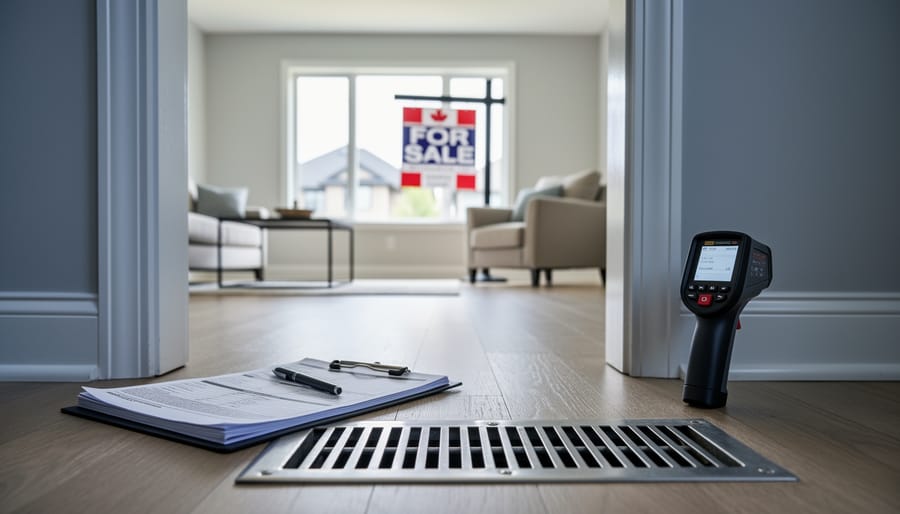
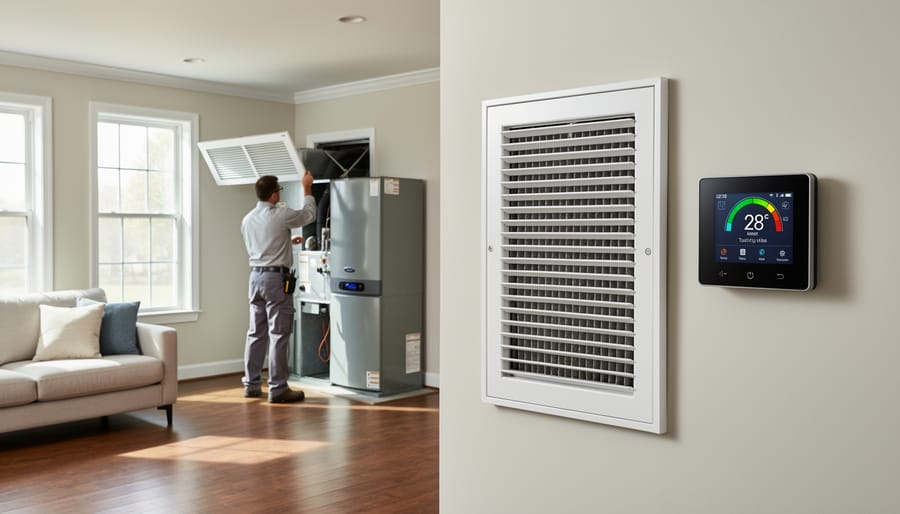
Commission a professional inspection specifically addressing cannabis cultivation indicators, even if growing was legal and within Health Canada’s four-plant personal limit. Inspectors should evaluate HVAC systems, electrical panels, moisture damage, mould presence, and any structural alterations. This proactive approach protects sellers from future liability claims and provides documentation that demonstrates good faith to potential buyers.
The Canadian real estate landscape in 2026 reflects a maturing understanding of cannabis use following eight years of federal legalization. While medical and recreational cannabis consumption are normalized activities, property transactions still carry unique considerations. Buyers increasingly expect transparency about a home’s history, particularly regarding activities that might have altered indoor air quality, electrical systems, or structural integrity.
Provincial real estate boards across Canada have issued varying guidance on disclosure requirements. Some jurisdictions treat past cannabis cultivation similarly to other property modifications requiring disclosure, while others have more specific frameworks. Sellers who fail to disclose material facts about cannabis-related property changes risk legal action, potentially years after closing.
Understanding your obligations protects both your financial interests and legal standing in what remains a complex intersection of property law and cannabis regulation.

The Disclosure Dilemma: Cannabis History as a ‘Defect’
The question of whether a property’s cannabis history constitutes a material defect sits in a legal grey zone that’s still evolving across Canada. Unlike a termite infestation with visible structural damage, cannabis cultivation or use doesn’t always leave obvious physical traces. Yet the question persists: must sellers disclose it?
The answer hinges on whether the cannabis activity caused actual property damage or created conditions that would affect a reasonable buyer’s decision. A small personal grow operation with proper ventilation and no modifications likely doesn’t rise to the threshold of a material defect. However, a larger cultivation setup that required electrical upgrades, altered HVAC systems, or created persistent moisture problems crosses into disclosure territory.
Provincial real estate laws treat this disclosure obligation differently. British Columbia’s Property Law Act requires sellers to disclose latent defects, hidden problems that aren’t discoverable through reasonable inspection. If cannabis cultivation damaged walls, compromised structural integrity, or left mold behind drywall, that’s a latent defect. Ontario’s approach focuses on material facts that would influence purchase decisions, which courts have interpreted to include significant property alterations, regardless of their original purpose.
A landmark 2026 Ontario Superior Court case, Morrison v. Patel, set an important precedent. The court ruled that sellers must disclose previous cannabis cultivation if it involved structural modifications or created conditions requiring remediation, even when the activity was completely legal. The judge emphasized that disclosure protects buyers from unforeseen expenses, comparing the obligation to revealing past water damage or electrical rewiring.
Quebec takes a stricter stance. Under the Civil Code’s interpretation as of 2026, sellers bear responsibility for defects they knew about, even if they didn’t cause them. This means if you purchased a property previously used for cannabis cultivation, you must disclose that history to your buyer.
The practical reality is this: if cannabis activity left your property materially different from a comparable home, whether through physical changes, lingering odors requiring professional remediation, or documented moisture issues, disclosure isn’t optional. It’s a legal requirement that protects both parties and prevents costly litigation down the road.
What Sellers Must Reveal: Understanding Your Legal Obligations
Home Growing Operations: Past and Present
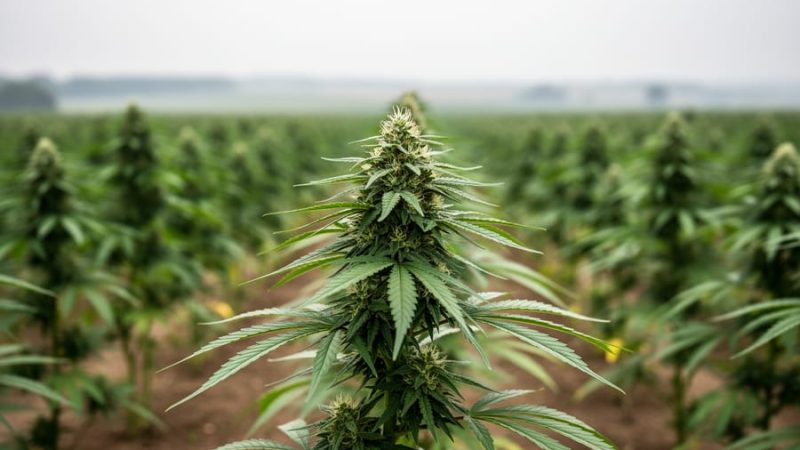
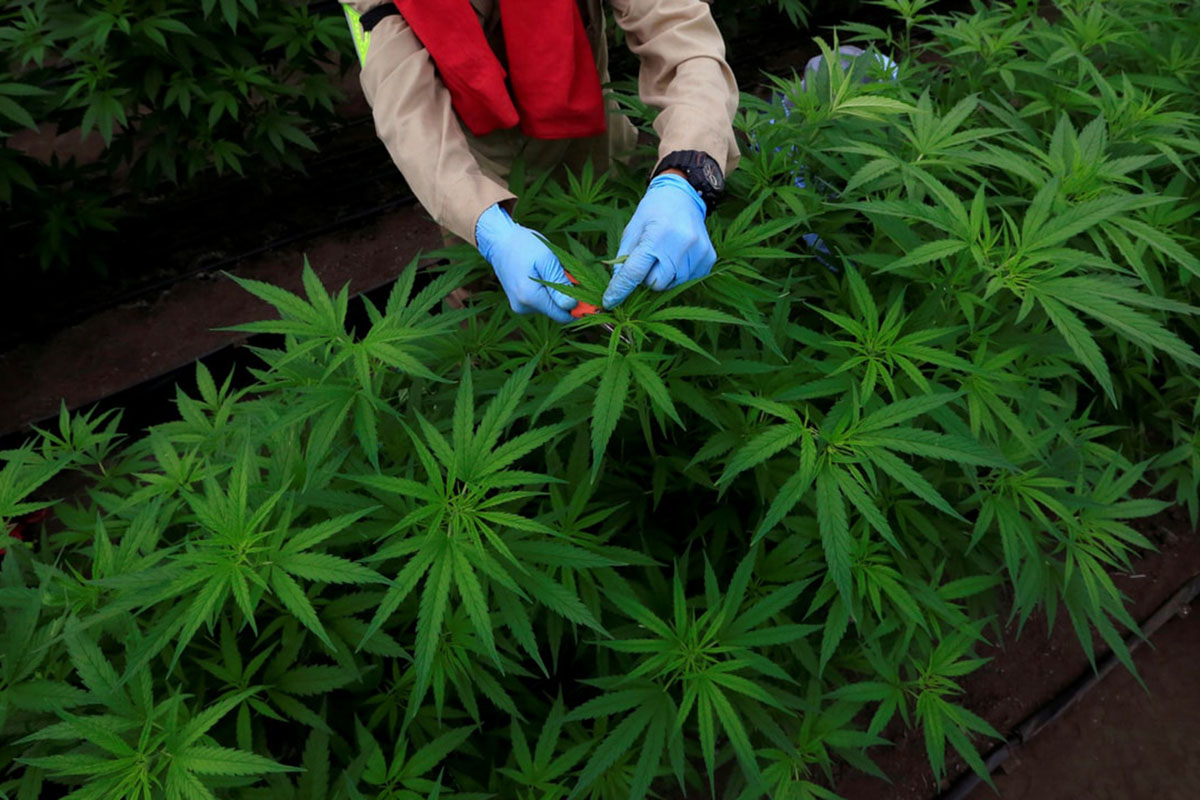
In Canada, personal cultivation of up to four cannabis plants per household has been legal since 2018, but many homeowners remain uncertain about their disclosure obligations when selling a property where they’ve grown cannabis legally. As of 2026, most provinces treat legal home cultivation similarly to other permitted activities, you’re not required to disclose that you grew plants in your spare bedroom any more than you’d need to reveal you once kept houseplants there.
However, the line blurs when cultivation required modifications to the property. If you installed high-intensity grow lights that demanded electrical upgrades, added dedicated ventilation systems, or waterproofed walls to manage humidity from multiple grow cycles, these alterations may qualify as material changes requiring disclosure. The key question isn’t whether you grew cannabis, but whether you altered the property’s systems or structure.
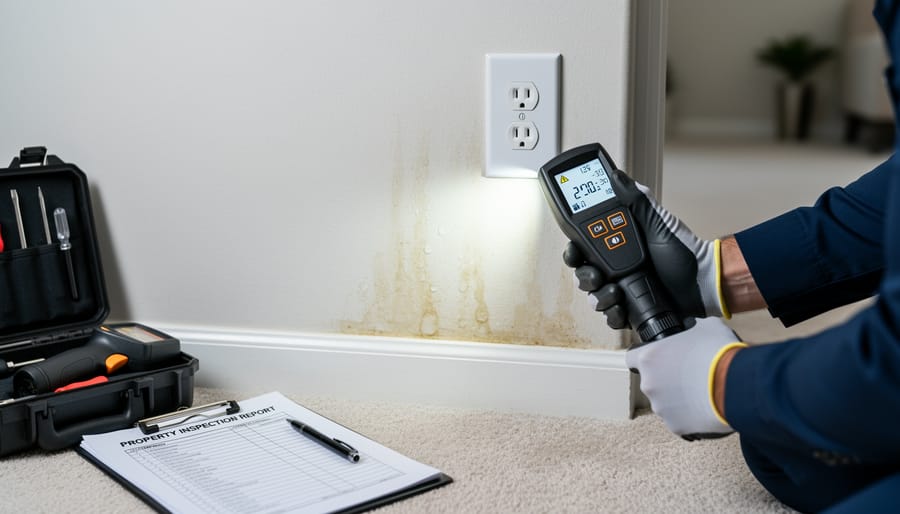
Moisture management presents the most common concern. Four plants in proper ventilation rarely cause issues, but poorly controlled grow spaces can lead to elevated humidity levels that foster mold growth behind walls or in ceiling cavities, damage that won’t be immediately visible during showings. Inspectors in 2026 report finding concealed moisture damage in five to eight percent of homes with documented multi-year cultivation history.
Provincial standards vary. Ontario’s disclosure requirements focus on modifications and damage rather than the fact of cultivation itself. British Columbia expects sellers to reveal any significant electrical work, whether cannabis-related or not, while Alberta mandates disclosure of remediated moisture issues regardless of their source.
Rental Properties and Tenant Cannabis Use
When you sell a rental property where tenants legally consumed cannabis, your disclosure obligations differ from owner-occupied homes but remain significant. Unlike former grow-ops, tenant consumption typically does not create structural issues, but it can leave persistent odors that materially affect a buyer’s enjoyment of the property.
You must disclose if previous tenants regularly used cannabis on the premises, particularly if they smoked or vaped indoors. The various ways of consuming cannabis matter here: smoking leaves far more residual odor in walls, carpets, and ventilation systems than CBD edibles legal under current regulations. Most buyers will notice cannabis odors during viewings, so attempting to conceal them with air fresheners or paint alone puts you at legal risk.
Before listing, consider professional odor remediation and HVAC cleaning, especially if you know smoking occurred regularly. Document these efforts. Some provinces now require landlords to note in disclosure forms whether cannabis consumption was permitted in the lease, even if no odor remains. Buyers often hire inspectors who specifically test for cannabis residue alongside mold and other contaminants, making upfront honesty your safest strategy.
Former Illegal Grow-Ops: Special Considerations
Properties with a history of illegal cannabis cultivation before the 2018 Cannabis Act face stricter scrutiny than homes used for legal personal growing. Buyers, lenders, and insurers treat these former grow-ops as high-risk properties requiring extensive documentation.
Most provinces mandate sellers disclose any known illegal grow-op history, even if operations ceased years ago. British Columbia’s Property Disclosure Statement explicitly asks about illegal drug production. Alberta requires sellers to reveal if the property ever appeared on municipal grow-op registries. Ontario sellers must disclose material latent defects, which courts have ruled includes previous illegal cultivation.
The key difference from legal home grows is remediation certification. Many municipalities that discovered illegal operations issued work orders requiring professional remediation, mold removal, electrical rewiring, structural repairs, and HVAC replacement. Before selling, you’ll likely need a remediation certificate from your local building department confirming all work orders were completed and the property meets code.
Some lenders refuse mortgages on former illegal grow-ops without these certificates. Others require additional inspections or charge higher interest rates. Insurers may deny coverage or impose steep premiums, making your property harder to sell even if you’ve addressed the physical damage.
Testing and Remediation: Preparing Your Cannabis-Associated Property for Sale
When you prepare to sell a property with a cannabis cultivation history, treating it like any other home ignores the reality buyers and their lenders face. Professional testing and remediation aren’t about erasing evidence of legal activity, they’re about demonstrating the property meets current building and health standards.
Start with a qualified environmental consultant who understands cannabis-specific concerns. Unlike general home inspectors, these specialists know where to look for elevated moisture levels, mold growth behind walls, electrical modifications that might violate code, and ventilation inadequacies. In 2026, most Canadian buyers expect these reports for properties with disclosed cultivation history, much as they’d require a pest inspection report for a home with termite damage.
The testing phase typically reveals whether remediation is necessary. Air quality testing measures volatile organic compounds and mold spores. Moisture readings identify hidden water damage in walls, ceilings, and subfloors where high-humidity growing environments caused problems. Electrical inspections verify that any modifications for grow lights or climate control equipment meet code and haven’t created fire hazards. Some buyers also request soil testing for outdoor cultivation areas, though this remains less common for personal-scale growing.
If testing identifies issues, remediation follows a logical sequence:
- Address structural problems first, repair water-damaged drywall, subflooring, or framing before cosmetic work begins.
- Remediate any mold according to professional standards, which often means removing affected materials rather than surface cleaning.
- Correct electrical violations by having a licensed electrician bring all modifications to code and obtain necessary permits.
- Improve ventilation systems if testing showed inadequate air exchange, particularly in basement growing areas.
- Deep clean and seal surfaces to eliminate residual odors, using enzymatic cleaners and appropriate primer-sealers on walls and ceilings.
- Obtain final clearance testing to document that remediation successfully resolved the identified issues.
That final clearance documentation becomes part of your disclosure package. It shows buyers you took the same responsible approach as a seller who discovered and fixed a pest infestation, you identified the problem, fixed it properly, and proved the work was successful.
Budget realistically. Minor remediation for a small personal grow operation might cost two to five thousand dollars. Properties with extensive modifications, significant moisture damage, or mold issues can require twenty thousand dollars or more. These costs often prove worthwhile, as properties sold without proper remediation and clearance documentation face steep buyer discounts or financing challenges that exceed the remediation expense.
How Buyers Are Responding in 2026
The Canadian residential market has matured considerably since federal legalization, yet properties with documented cannabis cultivation history still trigger distinct buyer reactions that vary by region and demographic.
In major urban centres like Toronto and Vancouver, younger buyers, particularly those under 40, show minimal concern about past personal cannabis cultivation. A property previously used for legal four-plant home grows rarely impacts sale price in these markets. However, suburban and rural buyers, especially those with children or planning families, remain cautious. Properties flagged as former grow-ops, even legal ones, typically take 12 to 18 days longer to sell than comparable homes without cannabis history.
Financing presents the most tangible obstacle. Several major Canadian lenders have maintained stricter underwriting standards for properties with any documented large-scale cultivation, requiring additional inspections before mortgage approval. This creates a practical barrier: even willing buyers may struggle to secure financing if their lender flags cannabis-related concerns during the approval process. Some buyers need to seek alternative lenders or accept higher interest rates, which can derail transactions.
Insurance companies have similarly maintained cautious positions. Homeowners insurers often require detailed remediation documentation and may charge premium increases of 5 to 15 percent for properties with former grow-op history, regardless of current condition. This long-term cost consideration influences buyer calculations beyond the purchase price.
Market values show regional splits. Properties with disclosed minor cannabis history in legalization-friendly markets like Montreal or Victoria face negligible depreciation. Former illegal operations requiring full remediation certificates, however, still trade at discounts ranging from 8 to 12 percent below market value, even after professional remediation. The stigma has faded but not disappeared, particularly in conservative markets where local attitudes toward cannabis remain mixed despite federal law.
Profile: Sarah Chen, Cannabis Real Estate Compliance Specialist
Sarah Chen never expected her real estate license and Master’s in Environmental Health to converge into a full-time specialty, but Canada’s cannabis legalization created a gap she was uniquely positioned to fill. Operating from her Vancouver office since 2019, Chen has assessed over 400 properties with cannabis cultivation or consumption history, guiding sellers through disclosure requirements that most agents still don’t fully understand.
“The biggest mistake I see is sellers treating cannabis like a lifestyle choice that buyers won’t care about,” Chen explains. “But structural modifications for ventilation, moisture management systems, electrical upgrades, these are material facts, regardless of legalization. The law doesn’t care whether you were growing tomatoes or cannabis if you altered the electrical panel without permits.”
Chen’s typical client discovers her services after a buyer’s home inspector flags unusual ventilation ducting or modified HVAC systems. By that point, she notes, the sale is often in jeopardy. Her preventive approach involves pre-listing assessments that identify disclosure-triggering modifications, recommend targeted remediation, and create documentation packages that satisfy both legal obligations and buyer concerns.
She’s noticed a significant shift in 2026. “Buyers under 40 barely blink at disclosed personal cultivation history if the property’s been maintained properly. It’s the undisclosed modifications that kill deals.” Chen also observes that properties with documented compliance, permits for electrical work, professional mold clearance certificates, proper ventilation engineering reports, often sell at or above comparable properties.
Her advice mirrors the travel tips she gives clients relocating: documentation protects you. “Keep receipts, permits, inspection reports. Your future buyer’s lender will want proof that your home cultivation didn’t compromise the property’s insurability or structural integrity.”
Protecting Yourself: Best Practices for Cannabis-Friendly Homeowners
Current cannabis users and home cultivators can avoid complications down the line by treating their activities the same way they would any other home improvement or lifestyle choice that could affect property value. Documentation is your first line of defense: keep records of your Health Canada registration for personal cultivation, receipts for any ventilation or electrical work performed by licensed contractors, and maintenance logs showing regular upkeep of grow spaces. If you’ve modified your property for cultivation, photograph the work before, during, and after completion, and store these records digitally where they won’t be lost if you move.
To protect your investment, consider these proactive steps:
- Install and maintain proper ventilation systems to prevent moisture buildup and odors
- Use professional electricians for any wiring modifications and keep certificates of electrical safety inspections
- Schedule annual HVAC maintenance and document that your systems are functioning properly
- Clean and repaint any rooms used for cultivation before listing your property
- Keep your cultivation within legal plant limits and maintain current registration documentation
- Consider professional mold testing if you’ve grown cannabis for more than a year in the same space
Understanding what cannabinoids are and how plant cultivation differs from simple consumption can help you anticipate potential buyer concerns. If you’re only consuming purchased cannabis products rather than cultivating, your disclosure burden is lighter, but you should still address any lingering odors through deep cleaning and air purification before selling. Think of these precautions as preventive maintenance, not crisis management. The homeowners who face the fewest obstacles at sale time are those who treated their cannabis use as a normal, documented part of their household from the start, rather than something to hide or worry about later.
Selling a property with cannabis history doesn’t have to derail your real estate transaction. As Canada’s cannabis market matures in 2026, disclosure standards are becoming clearer, and buyers are growing more sophisticated in their assessments. The key is treating cannabis-related property issues with the same seriousness you’d apply to structural defects or pest infestations: document everything, remediate proactively, and disclose honestly.
Transparency protects you legally and builds buyer confidence. Work with real estate professionals who understand the nuances of cannabis-associated properties, obtain proper inspections where warranted, and keep meticulous records of your cultivation practices and any remediation work. The properties that struggle most in today’s market aren’t necessarily those with cannabis history, but those where sellers tried to hide it. With proper preparation and full disclosure, your cannabis-friendly property can sell successfully while keeping you protected from future liability.