
What Is Vaping and How Does It Affect Your Lungs?
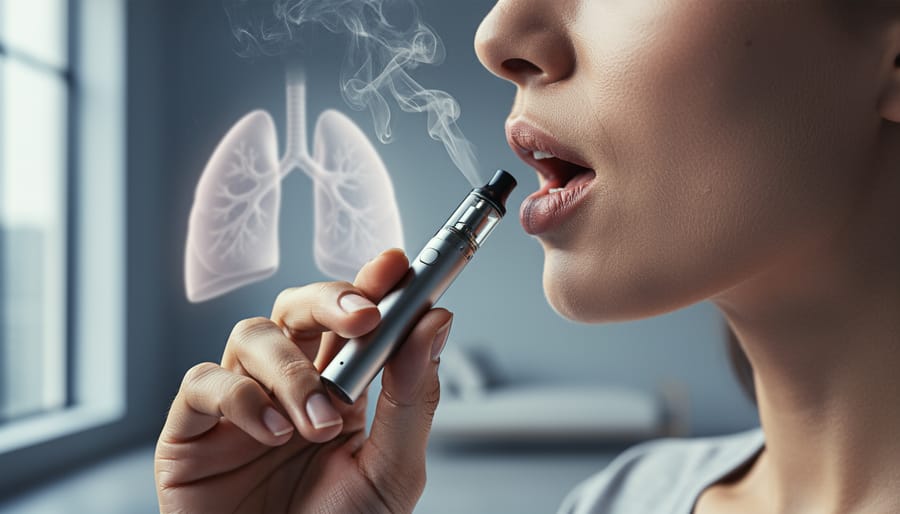
Vaping delivers aerosolized substances into the lungs through an electronic device that heats liquid, often containing nicotine, cannabis extracts, or flavoring compounds. Unlike traditional smoking, which combusts material, vaping produces a vapor or aerosol by heating liquid to temperatures that create inhalable particles.
For medical cannabis patients in Canada who choose vaping as a delivery method, understanding lung impact is essential. The lungs evolved to process filtered air, not heated aerosols loaded with chemical compounds. When you inhale vapor, microscopic particles and chemicals enter the delicate alveolar tissue where oxygen exchange occurs. Some substances trigger inflammation, others accumulate in lung tissue, and certain additives have been linked to serious respiratory conditions.
The science remains evolving. Vaping is relatively new compared to smoking, so long-term population studies are still years away from completion. What researchers have documented so far includes acute lung injuries, inflammation markers, and changes to cellular function in lung tissue. The absence of combustion removes some harm associated with smoking, but vapor carries its own risks.
This matters particularly for those using vaporized medical cannabis. Health Canada regulates vaping products, but the market includes devices and substances with varying safety profiles. Vitamin E acetate, vegetable glycerin, propylene glycol, and flavoring agents each interact differently with lung tissue. Understanding what happens when you vape, which components pose the greatest concern, and how your lungs respond helps you make informed choices about respiratory health while managing your condition.
What Vaping Means: Understanding E-Cigarettes and Vaporizers
Vaping is the act of inhaling aerosol produced by an electronic device that heats a substance without burning it. Unlike traditional smoking, which relies on combustion, vaping heats liquid or plant material to a temperature that creates vapour or aerosol rather than smoke. This fundamental difference shapes both the experience and the health implications.
The term encompasses several distinct device categories. E-cigarettes, also called vapes or electronic nicotine delivery systems, heat flavoured liquid containing nicotine to create an inhalable mist. Vaporizers designed for cannabis heat either dried flower, oil concentrates, or liquid extracts to release cannabinoids like THC and CBD without combustion. While the underlying technology is similar, the substances and regulatory frameworks differ significantly in Canada.
- Vaping
- The act of inhaling aerosol created by heating a liquid or plant material with an electronic device, without burning it.
- E-cigarette
- A battery-powered device that heats nicotine-containing liquid to produce an inhalable aerosol, often marketed as an alternative to traditional cigarettes.
- Vaporizer
- A device designed to heat cannabis flower, oils, or concentrates to release active compounds as vapour without combustion.
- E-liquid
- The fluid used in nicotine vapes, typically containing propylene glycol, vegetable glycerin, flavourings, and nicotine in varying concentrations.
- Aerosol
- The fine mist of particles and chemicals produced when vaping devices heat their contents, which users inhale into their lungs.
- Pod system
- A compact e-cigarette design using pre-filled or refillable cartridges (pods) that snap into a battery unit, popular for their simplicity and portability.
Understanding these distinctions matters because nicotine vapes and cannabis vaporizers carry different regulatory requirements in Canada and may present distinct respiratory considerations. Health Canada regulates both categories but under separate frameworks: the Tobacco and Vaping Products Act covers nicotine devices, while the Cannabis Act governs cannabis vaporizers and related products. This regulatory split reflects the different substances involved and their respective health profiles.
How Vaping Devices Work
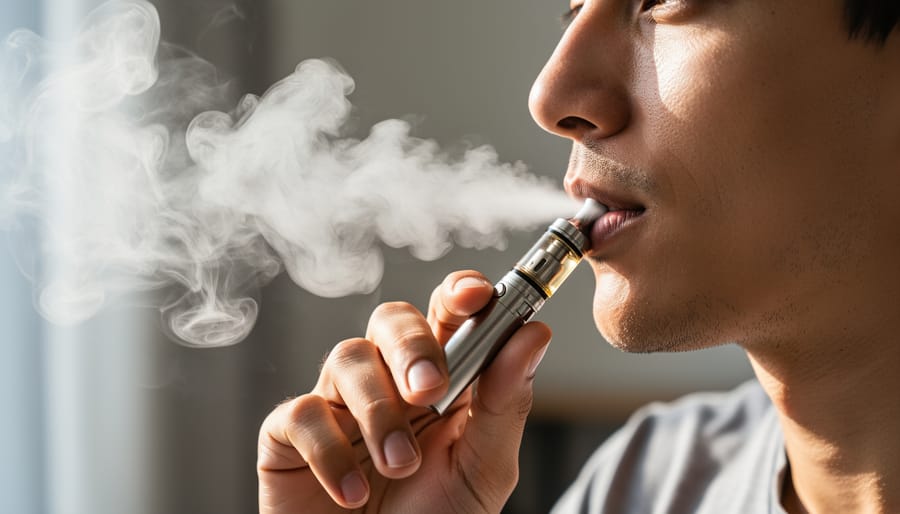
Vaping devices heat e-liquid or plant material to a temperature that produces an aerosol without triggering combustion. Unlike traditional smoking, which burns material at temperatures exceeding 600°C and creates smoke through combustion, vaping typically operates between 150°C and 350°C. This lower temperature range vaporizes active compounds and liquid ingredients without igniting the source material, producing what users inhale as vapor or aerosol rather than smoke.
The basic mechanism works through a battery-powered heating element. When a user activates the device (either by pressing a button or simply inhaling), electricity flows from the battery to a metal coil or ceramic heating element. This element rapidly heats up, and its temperature is transferred to the e-liquid or cannabis material in direct contact with it. The heat causes liquid to vaporize or plant material to release its active compounds as vapor, creating an aerosol that travels through the device and into the user’s mouth and lungs.
All vaping devices share fundamental components that enable this process:
- Battery: provides electrical power to heat the element, ranging from small integrated batteries in disposables to large rechargeable units in advanced devices
- Heating element or atomizer: metal coil or ceramic component that converts electrical energy into heat
- Liquid reservoir or chamber: holds e-liquid in a tank or cartridge, or contains dry cannabis material in herb vaporizers
- Mouthpiece: the channel through which aerosol travels from the heating chamber to the user’s mouth
- Airflow system: allows air to pass through the device, carrying vaporized material and cooling it slightly before inhalation
What users actually inhale is not vapor in the pure scientific sense, but rather an aerosol: a suspension of tiny liquid droplets and particles in air. When e-liquid vaporizes, it immediately begins to cool and condense into microscopic droplets. These droplets carry nicotine or cannabinoids, flavoring compounds, and the base ingredients (propylene glycol and vegetable glycerin). The particle size of this aerosol determines how deeply it penetrates into the respiratory system. Most vaping aerosols contain particles small enough to reach the deepest parts of the lungs, including the tiny air sacs called alveoli where oxygen exchange occurs.
The absence of combustion means vaping aerosol differs fundamentally from cigarette smoke. Combustion produces thousands of chemical compounds, including tar and many known carcinogens, through the burning process itself. Vaping avoids these combustion byproducts, but it introduces its own set of inhaled substances: the heated and sometimes chemically altered base liquids, flavoring chemicals exposed to heat, and potential contaminants from the heating element or device materials.
Types of Vaping Devices and Substances
Nicotine E-Cigarettes
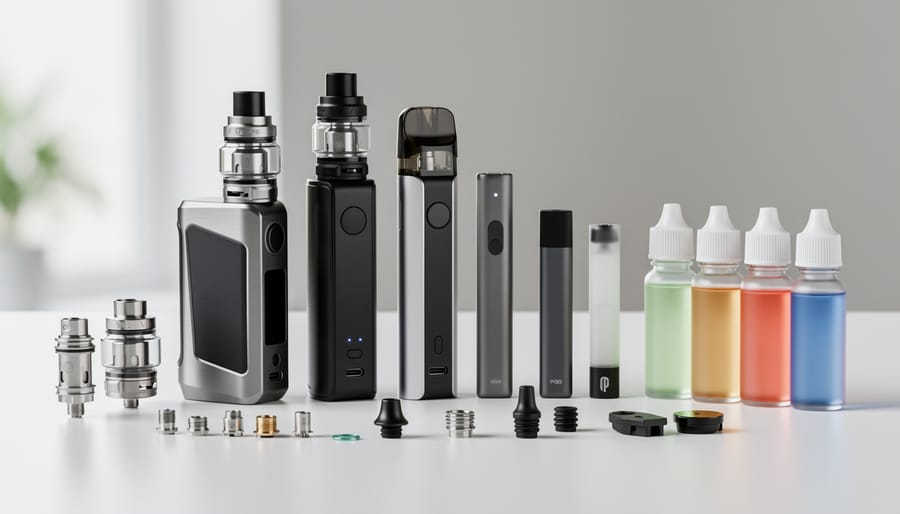
Nicotine e-cigarettes convert liquid nicotine formulations into an inhalable aerosol. Pod-based systems use pre-filled or refillable cartridges that click into a small battery-powered device, popular for their simplicity and portability. Refillable tank systems let users pour their own e-liquid into a reservoir, offering more customization over nicotine strength and flavour. Disposable devices come ready to use, require no maintenance, and are discarded once depleted.
All three categories heat e-liquid (typically containing nicotine, propylene glycol, vegetable glycerin, and flavourings) to temperatures that create vapor without combustion. The lung exposure differs mainly in how often users vape and what concentration of nicotine they choose. Pod systems have gained market dominance in Canada since the late 2010s, while tank devices appeal to users who want control over their vaping experience. Disposables have grown sharply in availability despite regulatory restrictions on flavoured products in some provinces.
Cannabis Vaporizers
Cannabis vaporizers heat cannabis material below combustion temperature to release cannabinoids and terpenes as an inhalable aerosol. Dry herb vaporizers use whole flower, allowing users to control temperature and potentially reduce harmful byproducts compared to smoking. These devices range from portable units to desktop models and are popular among medical cannabis patients who want to avoid smoke while preserving the full plant profile.
Oil cartridge pens dominate Canada’s legal cannabis market for their convenience and discretion. These pre-filled cartridges contain cannabis oil formulated with carrier liquids, attached to battery-powered heating elements. The oils undergo extraction and processing that concentrates cannabinoids but may introduce additives, a respiratory concern when those additives aren’t intended for inhalation.
Concentrate devices, designed for cannabis extracts like shatter, wax, or rosin, operate at higher temperatures than flower vaporizers. These products deliver potent doses but raise questions about lung exposure to concentrated compounds and residual solvents from extraction processes. Medical cannabis patients using concentrates should source products from licensed producers who test for contaminants and provide ingredient transparency.
E-Liquids and Vaping Materials
E-liquids and cannabis vaping materials contain several core ingredients that determine what reaches your lungs. Most nicotine e-liquids use a base of propylene glycol (PG) and vegetable glycerin (VG), two food-grade substances that create vapor when heated. PG carries flavor well and produces a throat sensation similar to smoking, while VG generates thicker clouds and has a slightly sweet taste. Manufacturers blend these in varying ratios depending on the device type and desired effect.
Flavorings represent the most variable component. Thousands of food-grade flavoring compounds approved for eating can appear in e-liquids, though their safety when inhaled isn’t always clear. Some chemicals safe in food may irritate lung tissue when vaporized and inhaled repeatedly. Nicotine concentration ranges from zero to very high levels in e-liquids sold in Canada.
Cannabis vaping products work differently. Oil cartridges contain cannabis extracts dissolved in carrier oils or thinning agents. Some use cutting agents to achieve the right viscosity for vaporization. Dry herb vaporizers heat ground cannabis directly, releasing cannabinoids and terpenes without combustion. Concentrate devices vaporize THC or CBD extracts in their pure or near-pure form. All of these introduce different substances into your respiratory system than nicotine vapes do.
How Vaping Is Used: Applications and Contexts
People vape for a wide range of reasons, from managing nicotine dependence to accessing medical cannabis, and understanding these different contexts helps clarify why respiratory health concerns matter across such diverse user groups.
Smoking cessation remains one of the most commonly cited reasons for taking up nicotine vaping. Many adult smokers turn to e-cigarettes as a transitional tool, gradually reducing nicotine intake while maintaining the hand-to-mouth habit that makes quitting combustible cigarettes difficult. Health Canada acknowledges that vaping products containing nicotine can help some smokers quit, though the department emphasizes these devices are not approved as cessation aids and still carry health risks. The approach treats vaping as potentially less harmful than continued smoking, not as a risk-free alternative.
In Canada’s legal cannabis framework, vaping has emerged as a preferred consumption method for both medical and recreational users. Medical cannabis patients often choose vaporizers because they provide faster symptom relief than edibles while avoiding the combustion byproducts of smoking. Physicians authorized to prescribe cannabis sometimes suggest vaping for patients who need rapid onset but have respiratory concerns that make smoking inadvisable. Licensed producers offer various formulations designed specifically for vaporization, from dried flower to precisely dosed oil cartridges.
The primary applications people cite for vaping include:
- Nicotine replacement therapy for smokers attempting to quit combustible cigarettes
- Medical cannabis administration for chronic pain, anxiety, nausea, and other authorized conditions
- Recreational cannabis consumption seeking convenience and discretion
- Perceived harm reduction compared to smoking tobacco or cannabis
Recreational cannabis users gravitate toward vaping for practical reasons beyond health considerations. Vaporizers produce less odor than smoking, work discreetly in various settings, and deliver consistent doses from regulated products purchased through legal retail channels. The 2018 legalization of recreational cannabis, followed by vaping products becoming legally available in 2019, created a regulated market where consumers can access lab-tested devices and cannabis oils with known cannabinoid content.
Harm reduction represents a central motivation across these contexts. People who already smoke cigarettes or cannabis view vaping as a way to continue nicotine or cannabinoid use while reducing exposure to the tar and carbon monoxide produced by combustion. This reasoning underpins much of the public health debate around vaping, weighing potential respiratory risks against the documented harms of smoking.
What Happens in Your Lungs When You Vape
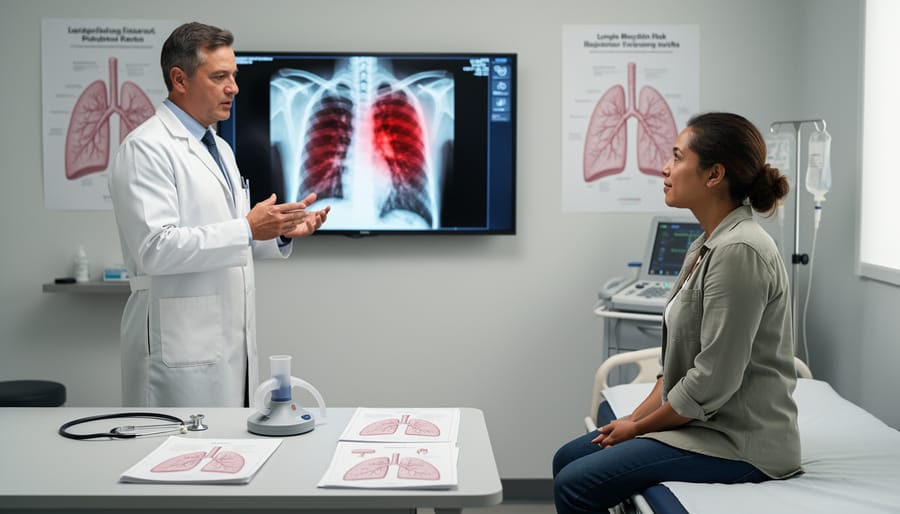
When you inhale from a vaping device, you’re breathing in an aerosol, not water vapor as the term might suggest. This aerosol contains ultrafine particles suspended in a mixture of propylene glycol, vegetable glycerin, and various other substances depending on the device and liquid used. These particles are considerably smaller than those from combustible smoke, which affects how deeply they penetrate your respiratory system.
As you inhale, the aerosol travels through your mouth and throat, coating the mucous membranes before entering your trachea and branching airways. The ultrafine particles can reach deep into your lungs, all the way to the alveoli, the tiny air sacs where oxygen exchange occurs. Your body treats these foreign substances as irritants, triggering an immediate inflammatory response. The cells lining your airways release chemical signals that bring white blood cells to the area, part of your immune system’s standard defence mechanism.
At the cellular level, repeated exposure creates measurable changes. The cilia, hair-like structures that normally sweep mucus and debris out of your airways, can become paralyzed or damaged by the chemicals in vape aerosol. This impairs your lungs’ natural cleaning system, potentially allowing particles and pathogens to accumulate. Studies on lung tissue samples have documented oxidative stress, where reactive molecules damage cellular components, and changes to the cells that produce surfactant, the substance that keeps your alveoli open.
Your lung tissue also responds by attempting to protect itself. This can mean thickening of airway walls, increased mucus production, and alterations to the tight junctions between cells that normally form a protective barrier. When considering delivery methods for medical cannabis, understanding these biological responses helps inform choices, similar to how applying the optimal consumption rule requires awareness of how different methods affect your body, or how pairing snacks with cannabis affects absorption and experience.
The lungs’ response varies based on frequency of use, the specific substances vaped, device temperature, and individual health factors. Some people experience noticeable respiratory changes quickly, while others may not recognize symptoms until after extended use.
Known Respiratory Health Concerns
Acute Respiratory Symptoms

Many people who vape experience immediate respiratory symptoms, though severity varies. The most commonly reported acute effects include persistent coughing, throat irritation, and a scratchy or burning sensation in the airways. Users frequently describe shortness of breath during or after vaping sessions, along with chest tightness that can feel similar to asthma symptoms.
Healthcare providers consistently document these complaints in clinical settings. Patients report that symptoms often worsen with higher frequency of use or when switching to new devices or e-liquid formulations. The intensity of throat irritation appears particularly linked to nicotine concentration and certain flavoring compounds in vape liquids.
For medical cannabis patients considering vaping as a delivery method, understanding how optimal use works may help minimize these acute effects. Some users find that adjusting temperature settings, taking slower draws, or staying hydrated, perhaps by incorporating a regular snacks routine can reduce immediate respiratory discomfort.
These short-term symptoms don’t always indicate serious injury, but they signal that the respiratory system is reacting to the inhaled aerosol.
Lung Injury Concerns
The most serious documented lung injury linked to vaping emerged in 2019, when health authorities in North America identified a wave of severe respiratory illnesses among people who vaped. This condition, known as EVALI (e-cigarette or vaping product use-associated lung injury), caused hospitalizations and deaths primarily in the United States, with cases also documented in Canada.
Investigations traced the outbreak overwhelmingly to illicit-market THC vaping products containing vitamin E acetate, an additive used to thicken cannabis oil in unregulated cartridges. Vitamin E acetate, while safe to ingest or apply to skin, appears harmful when heated and inhaled into lung tissue. Most patients who developed EVALI had used THC vapes purchased outside legal retail channels.
The outbreak underscored a critical distinction: regulated cannabis vaping products in Canada’s legal market are prohibited from containing vitamin E acetate and must meet specific manufacturing standards. Illicit products face no such controls, and their contents remain unpredictable. While EVALI cases have declined sharply since 2019, likely as awareness spread and people avoided black-market cartridges, the episode demonstrated how specific adulterants in unregulated vaping products can cause acute, severe lung damage. For Canadian medical cannabis patients considering vaping, purchasing exclusively from licensed producers and retailers reduces exposure to the additives implicated in these serious respiratory injuries.
Long-Term Respiratory Questions
The biggest challenge researchers face when evaluating vaping’s long-term impact on lungs is simple: we don’t have decades of data yet. E-cigarettes entered widespread use only in the mid-2010s, and cannabis vaping followed shortly after. That means even the heaviest users have typically been vaping for less than 15 years, nowhere near the time span needed to detect diseases that develop slowly, like chronic obstructive pulmonary disease or certain cancers that can take 20 to 30 years of exposure to emerge.
Current research focuses on early biomarkers and cellular changes that might predict future disease. Scientists are studying inflammation patterns in lung tissue samples, changes in airway cells, and how vaping affects the lung’s natural defense mechanisms against infection. These investigations can suggest potential risks, but they can’t definitively tell us whether a 25-year-old who vapes daily will have impaired lung function at 55.
Another complicating factor: vaping technology and products keep changing. The devices, liquids, and usage patterns studied five years ago differ from what many Canadians use today, making it difficult to track consistent long-term cohorts. Researchers must account for variables like device types, nicotine versus cannabis content, frequency of use, and whether someone also smokes cigarettes, all while the products themselves evolve faster than studies can follow them.
Chemical Exposures and Lung Tissue
When you inhale vape aerosol, your lung tissue encounters a mixture of chemicals whose long-term effects remain under study. Understanding these exposures helps you make informed choices, whether vaping is part of your medical cannabis routine or you use nicotine products.
The base liquids in most vapes, propylene glycol and vegetable glycerin, are considered safe for ingestion but behave differently when heated and inhaled. At high temperatures, these compounds can break down into formaldehyde and acetaldehyde, both respiratory irritants. The concentration of these byproducts increases when coils overheat or when devices operate at higher power settings.
Flavoring chemicals present another concern. Diacetyl, which creates buttery flavours, has been linked to severe lung disease in occupational settings where workers inhaled it regularly. While many Canadian manufacturers have removed diacetyl from formulations, other flavoring compounds haven’t been thoroughly tested for inhalation safety. Your lungs evolved to handle air, not flavored aerosols, and even “food-safe” additives can irritate delicate respiratory tissue.
Heating elements in vaping devices can leach trace amounts of metals including nickel, chromium, and lead into the aerosol. These metals accumulate in lung tissue over time, though the health significance of these exposures at vaping levels remains unclear.
Cannabis vaporizers introduce specific considerations. Oil cartridges typically use thinning agents to achieve the right viscosity. Some products have contained vitamin E acetate, an additive implicated in serious lung injuries, though regulatory oversight has largely eliminated it from legal Canadian products. THC and CBD oils themselves can leave residues in lung tissue that don’t appear with dry herb vaporization.
The quality and source of your vaping products matter considerably. Regulated products undergo testing that illicit market devices skip entirely.
Canadian Regulatory Perspective and Health Guidance
Health Canada maintains a dual regulatory framework for vaping products, treating nicotine and cannabis vapes under separate but parallel systems designed to balance adult access with public health protection.
For nicotine vaping products, the Tobacco and Vaping Products Act established federal standards in 2018. Health Canada requires child-resistant packaging, mandates health warning labels on all devices and e-liquids, restricts flavors in certain product categories, and sets maximum nicotine concentration limits. The department prohibits marketing that appeals to youth and enforces product notification requirements before devices can enter the market.
Cannabis vaping products fall under the Cannabis Act and its regulations. Licensed producers must follow strict quality standards for vaping oils and devices, including testing for contaminants, accurate THC and CBD labeling, and plain packaging requirements. Health Canada restricts additives in cannabis vape products and requires extensive reporting on product composition.
Canadian health authorities have issued clear guidance about respiratory risks associated with vaping. Health Canada’s official position acknowledges that while vaping may expose users to fewer toxic chemicals than smoking combustible tobacco, it is not risk-free for lung health. The department specifically warns that the long-term health effects remain unknown and advises non-smokers and youth not to vape.
Following reports of lung injuries linked to vaping in North America, Health Canada coordinated surveillance efforts with provincial health authorities to track respiratory complications. The department issued public health notices emphasizing the risks of using unregulated products and illicit market vapes, particularly those containing THC oils from unknown sources.
Dr. Theresa Tam, Canada’s Chief Public Health Officer, has spoken publicly about the need for continued research into vaping’s health effects while acknowledging the evolving nature of scientific understanding. Canadian researchers at institutions including the University of Toronto and McGill University contribute to global studies examining how vaping aerosols interact with lung tissue and what specific chemical exposures may pose the greatest respiratory concerns.
Health Canada maintains an active reporting system for adverse reactions to vaping products and updates its guidance as new evidence emerges from both domestic and international research.
Common Questions About Vaping and Lung Health
People considering vaping or already using vaporizers often have pressing questions about what these devices might be doing to their respiratory system. The following addresses the most common concerns based on current medical understanding, while acknowledging where research remains incomplete.
Is vaping safer for your lungs than smoking cigarettes?
Current evidence suggests vaping exposes lungs to fewer toxic combustion byproducts than cigarette smoke, but “safer” doesn’t mean safe, vaping still introduces chemicals and particles that can irritate and potentially damage lung tissue. The long-term respiratory effects remain incompletely understood because widespread vaping is relatively recent.
Can vaping cause permanent lung damage?
Documented cases of serious lung injury have occurred, particularly from illicit market products containing harmful additives, though the full spectrum of potential permanent damage from regulated products used over decades isn’t yet known. Some respiratory changes observed in vapers may reverse after stopping, while others could be lasting.
Are cannabis vapes different from nicotine vapes for respiratory health?
Cannabis vaporizers heat different materials (plant matter or cannabis oils) than nicotine e-liquids, which means different chemical exposures, though both deliver heated aerosol to the lungs. THC and CBD oils present distinct considerations compared to nicotine formulations, particularly regarding oil viscosity and carrier substances.
What symptoms suggest vaping is affecting my lungs?
Warning signs include persistent cough that worsens or doesn’t resolve, shortness of breath during normal activities, chest pain or tightness, wheezing, or coughing up blood. Any of these warrant stopping vaping immediately and consulting a healthcare provider.
How do regulated vaping products compare to illicit market devices?
Products meeting Health Canada regulations undergo testing and must meet manufacturing standards, while illicit market devices have caused serious lung injuries through contamination with vitamin E acetate and other harmful additives. Sourcing matters significantly for respiratory safety.
If I quit vaping, will my lungs recover?
Many acute symptoms like coughing and throat irritation improve within weeks of stopping, and some inflammatory changes appear reversible, but whether all vaping-related lung changes fully resolve remains an open question requiring longer-term study.
The uncertainty surrounding several of these questions reflects vaping’s relatively short history as a widespread practice. Cigarette smoking’s effects emerged over decades of population-level observation, whereas vaping devices only became common in the 2010s. Researchers can observe immediate tissue responses and short-term effects, but conditions like chronic obstructive pulmonary disease or lung fibrosis develop over years or decades of exposure.
This knowledge gap creates genuine uncertainty for people trying to make informed choices. A medical cannabis patient weighing vaping against other delivery methods faces a decision with incomplete information. What doctors can say with confidence is that introducing any foreign substance into lungs carries risk, that quality and source matter enormously, and that individual responses vary.
For Canadians using cannabis therapeutically, the choice often involves comparing risks: combustion smoke versus vaporized oils versus edibles with slower onset. Each delivery method presents trade-offs, and the respiratory considerations are just one factor in that decision. Healthcare providers familiar with a patient’s specific respiratory health, medical history, and treatment needs can offer personalized guidance that generic information cannot.
The patterns emerging from emergency departments and respirologists’ offices do provide some practical signals. Sudden severe respiratory symptoms in someone using illicit market cartridges demands immediate medical attention. Gradual development of chronic cough or breathing difficulty in a regular vaper warrants investigation, even if the products are legally purchased. And anyone with pre-existing lung conditions should discuss vaping risks explicitly with their physician before starting.
Understanding how vaping affects the lungs requires acknowledging both what current research demonstrates and what remains unknown. The evidence shows that inhaling vaporized substances, whether nicotine or cannabis, exposes lung tissue to chemicals and particles that can cause irritation, inflammation, and potentially more serious respiratory effects. The biological mechanisms are clear: aerosols deposit fine particles in the respiratory system, and certain additives have proven harmful to lung tissue.
What complicates the picture is uncertainty. Long-term data simply doesn’t exist yet for many vaping products, particularly cannabis vaporizers. We know certain risks, especially from unregulated products containing harmful additives, but the full spectrum of chronic health effects remains an active research question rather than a settled conclusion.
For Canadian medical cannabis patients considering vaping as a delivery method, product quality matters profoundly. Regulated devices and cartridges purchased through legal channels undergo testing that illicit market products don’t receive. This doesn’t eliminate all risk, but it substantially reduces exposure to the most dangerous contaminants identified in lung injury cases.
The decision to vape, whether for medical cannabis or any other reason, should involve weighing the known respiratory concerns against your specific health needs and circumstances. Healthcare providers familiar with your respiratory health can offer personalized guidance that generic information cannot. They can monitor for early signs of lung effects and help you make adjustments if problems emerge.
Informed choice means understanding the trade-offs, recognizing the gaps in knowledge, and staying alert to how your body responds.