CBD and CBG Gummies for Anxiety: What the Evidence Shows, How They Differ, and How to Use Them Responsibly in Canada

CBD and CBG gummies may help some people feel calmer, but the research is thinner than the marketing suggests. CBD has a modest, inconsistent body of human evidence for anxiety. CBG, a related cannabinoid found in smaller amounts in the cannabis plant, has mostly been studied in labs and animals, with very little in people. Neither is a proven replacement for established anxiety treatments such as therapy or prescribed medication.
The two compounds are cousins, not twins. CBD (cannabidiol) is the better-known option and has the larger research record. CBG (cannabigerol) is often called the “parent” cannabinoid because other cannabinoids form from its acidic precursor as the plant matures. It is promising on paper, but promise is not proof.
Canadian readers face an added layer of questions. Gummies containing cannabinoids fall under federal cannabis rules, so where you buy, who can access them, and what the label must tell you all matter. Health Canada oversees the legal framework, and the rules differ between regulated retail products and medical authorization through a healthcare practitioner.
Key Takeaway: CBD evidence for anxiety is promising but limited and inconsistent, while CBG evidence remains largely preliminary. Neither is a proven replacement for established anxiety treatments, so talk with a healthcare provider before relying on either.
This article explains how the two cannabinoids differ, where the science falls short, and how to choose and access products legally and safely in Canada. If you want a closer look at one option first, start with our guide to CBD gummies for anxiety.
CBD and CBG Gummies Explained: What Each Cannabinoid Is and How They Differ
How Gummies Change the Picture: Onset, Absorption, and Dose Accuracy
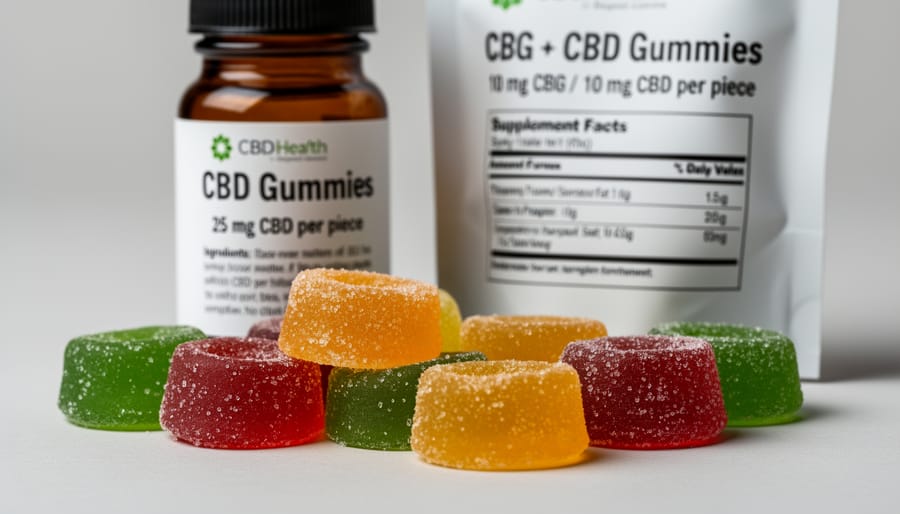
Gummies behave differently from the oils, sprays, and inhaled forms people may already know. Because they are swallowed, the cannabinoid has to pass through digestion and the liver before reaching the bloodstream. That usually means effects start slowly, often after an hour or two, and can vary a lot from one person to the next. Food in the stomach can change absorption too, which is one reason the same gummy may feel different on different days. If you want a broader look at the ways to consume cannabinoids, the differences in timing and duration are a good place to start.
That delay creates a real trap. When nothing seems to happen after thirty minutes, it’s tempting to eat another gummy, then end up with far more than intended once the first one kicks in. Patience matters more with edibles than with almost any other format.
Potency adds another layer of uncertainty. Gummies can vary in how evenly the active ingredient is spread through each piece, so a label showing mg per gummy is far more useful than a per-package total. This is part of the story behind cannabis edibles and why Canadian rules require standardized labelling.
The table below puts the two cannabinoids side by side, since gummy products often blend them, and it’s worth knowing what each one brings (and doesn’t).
| Feature | CBD | CBG |
|---|---|---|
| Typical source | Extracted from cannabis or hemp plants and widely available | Found in smaller amounts in the plant, so often more costly to produce |
| What is known about how it acts | Interacts with several body systems, including proposed serotonin receptor activity | Early-stage research, with less clearly understood effects |
| Human evidence for anxiety | Limited and mixed, from small studies | Very little human data |
| Common gummy formulations | Isolate, broad-spectrum, or full-spectrum | Often blended with CBD or trace THC |
| Key consideration | Dose consistency and possible medication interactions | Check the label for what the gummy actually contains |
If you’re still sorting out what cannabinoids are and how they differ, that background makes labels easier to read.
What the Research Says About Anxiety: Evidence Limits for CBD and CBG
Why Findings Are Hard to Compare
When researchers try to answer whether CBD or CBG eases anxiety, the studies rarely line up well enough to be stacked side by side. Doses vary widely, from a few milligrams to several hundred, so a “positive” result at one level says little about another. Formulations differ too: some trials use purified CBD in a measured capsule or oral solution, while real-world gummies may contain isolate, broad-spectrum extract, or blends with trace THC. If you’d like a plain-language refresher before going further, our CBD essentials overview covers the basics.
Trial size and length matter as well. Many studies enrol only a few dozen people and follow them for hours or a few weeks, which makes it hard to know whether any benefit lasts or holds up in a larger, more varied group. Most outcomes are also self-reported. Anxiety is a subjective experience, and ratings of how someone feels can shift with expectation, setting, and mood on a given day.
Two terms come up often. A placebo-controlled study gives some participants an inactive look-alike product, so researchers can separate a real effect from the benefit of simply expecting to feel better. Preclinical research is work done in cells or animals before human testing, and it can suggest how a compound might behave without proving it helps people. Most CBG findings still sit in this early category.
Who Can Access CBD and CBG Gummies in Canada: Eligibility and Legal Pathways
In Canada, access to CBD and CBG gummies depends on which legal pathway you use, and the two main routes work quite differently.
The first is the adult-use market. Under the Cannabis Act, adults of legal age can buy cannabis edibles from provincially or territorially authorized retailers, whether in a licensed store or through a government-run online shop. The minimum age is set by each province or territory, so it is 18 in some places and 19 in others. Confirm the rule where you live with your provincial cannabis authority rather than assuming it matches a neighbouring region.
Legal edibles also come with firm product limits. Federal rules cap THC at 10 mg per package, which is why a legally sold gummy pack is built around that ceiling. Health Canada explains these THC limits for edibles and the labelling that goes with them. If you’re wondering are CBD edibles legal the short answer is that they are when they’re sold as regulated cannabis products through authorized channels.
The second pathway is medical access. A patient can obtain a health care practitioner’s medical document, register with a federally licensed seller, and have cannabis products shipped to them. This route exists for people whose clinicians believe cannabis may be appropriate, and it keeps a practitioner involved in the decision. It also gives patients a documented record of their care, which matters for informed consent.
A third category often causes confusion. CBD sold as a non-prescription natural health product sits under a separate and more restrictive framework, and those products have to meet different standards than cannabis-store items. The Regulation of natural health products page outlines how that system works. In practice, you shouldn’t expect to find a CBD gummy on a pharmacy shelf just because it carries a health-sounding label.
Rules and age requirements can change, and they vary across the country. Check Health Canada and your provincial authority before you buy.
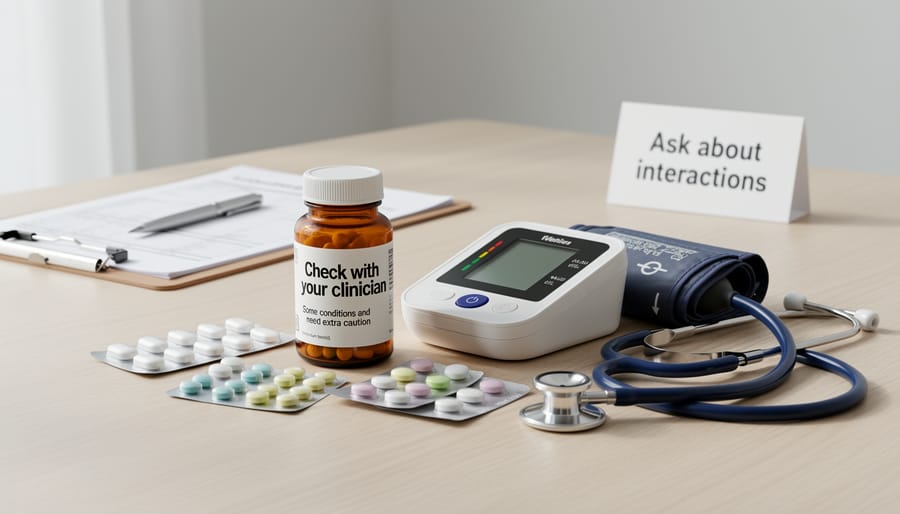
Legal access isn’t the same as being a good fit. Some people should talk with a practitioner first:
- Anyone taking prescription medications, since CBD can interact with how the body processes certain drugs.
- People who are pregnant, trying to conceive, or breastfeeding.
- Those with liver conditions, because CBD is processed by the liver.
- People with a history of psychosis or other complex mental health concerns.
- Anyone with a history of substance use who may be vulnerable to misuse.
- Minors, who are not permitted to purchase these products and shouldn’t use them without clinical guidance.
If any of these apply to you, a pharmacist or physician can help you weigh the risks before you spend a dollar on gummies.
Your Rights and Obligations as a Consumer or Patient
Using cannabis legally in Canada comes with a short list of entitlements and a longer list of responsibilities. Knowing both helps you stay safe and stay on the right side of the law.
Start with where you buy. You’re entitled to products that have passed federal quality and labelling rules, and you only get that assurance from authorized sellers: provincially regulated retailers for adults of legal age, or federally licensed sellers for patients with a health care practitioner’s authorization. Products from unregulated sources can carry any label at all, and the contents may not match it.
Legal products must display standardized THC and CBD content and health warnings. Your part is to read that information and keep the packaging, at least until the product is used up. The label holds the batch or lot number you would need if something goes wrong. It also tells you the per-gummy potency, which matters more than the package total.
That THC point carries legal weight. Impairment laws apply based on how you are affected, not on how the product is marketed, so a gummy that is mostly CBD but contains some THC can still put you at risk if you drive. Employers can also set their own policies, particularly for safety-sensitive jobs, so it’s worth knowing what yours says before you use anything.
Storage is another everyday duty. Edibles look and taste like ordinary candy, which makes them a real hazard for children and pets. Keep them in their original child-resistant packaging, in a locked or out-of-reach spot. When travelling, keep products sealed in their original packaging, and check provincial rules on where cannabis can be consumed, since public use is restricted in many places.
Patients have additional rights. You’re entitled to a clear conversation with your practitioner about benefits, risks, and alternatives, and to meaningful informed consent. You should also receive proper documentation of your authorization, and you can reasonably ask questions about interactions with other medications.
Responsible use is mostly about patience. The general principle is to start low and go slow, giving an edible plenty of time before assuming nothing is happening, because eating more too soon is a common mistake. Our guide on how to avoid edible sickness explains why. Keeping a simple log of what you took, when, and how you felt gives you something concrete to share with your clinician. This is supportive guidance, not a dosing recommendation, and your own situation may call for different advice.
Reading the Label: A Practical Checklist for Choosing a Gummy Responsibly
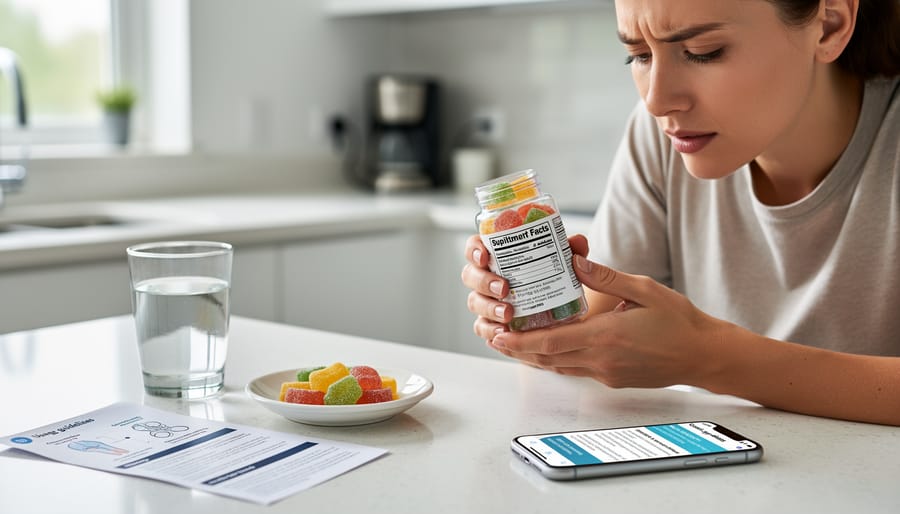
A legal Canadian cannabis gummy carries a standardized label, and reading it carefully is the simplest safeguard you have. Start with the cannabinoid content. Under federal rules, labels must list THC and CBD in milligrams, both per gummy and for the whole package. If a product advertises CBG, look for that figure too. CBG isn’t required to be shown on the standardized panel in the same way, so a missing or vague CBG number is worth questioning. Also check the THC amount, even on a product sold mainly for its CBD. THC can cause impairment and can worsen anxiety in some people, so a “CBD gummy” with several milligrams of THC isn’t the same product as one with almost none.
Next, read the ingredient list. Look for the type of extract (isolate, broad-spectrum or full-spectrum), plus sweeteners, colours and allergens. Anyone with a sugar restriction or a food allergy should read this part first.
Then find the traceability details:
– A batch or lot number, which lets the producer and Health Canada trace a product if there’s a problem.
– The licensed producer’s name and contact information.
– A best-before date and the standardized cannabis symbol with its health warnings.
– Third-party lab results, where the company makes them available, ideally matching your batch.
Finally, watch for red flags. Legal products can’t claim to treat, cure or prevent a disease or condition. A package promising to “eliminate anxiety” or “replace your medication” is making a claim that isn’t permitted. The same goes for sellers who can’t tell you where a product was made.
Be especially wary of unregulated sources, such as unlicensed online shops, social media sellers and gas-station-style “hemp” gummies. Their contents may not match what’s printed on the wrapper, and independent testing of such products has repeatedly found labelling that was off. A label can only help you if the seller is accountable for it.
Where to Get Help: Practitioners, Official Resources, and Crisis Support
If anxiety is affecting your sleep, work, or relationships, start with a person rather than a product. Your family physician or nurse practitioner can assess what’s going on, rule out other causes, and talk through options. Pharmacists are an underused resource too, especially for interaction questions, since cannabinoids can affect how some medications are processed. Many will answer those questions without an appointment.
For reliable background, Health Canada’s cannabis information pages explain the legal framework, labelling rules, and health risks in plain language. Your provincial cannabis authority and health authority also publish guidance specific to where you live, including age rules and retailer information.
Bringing up cannabis with a clinician can feel awkward, but it’s a routine conversation. You might say, “I’ve been thinking about trying CBD gummies for anxiety, and I’d like to know if that’s safe alongside what I already take.” Share the product’s label, your current medications, and what you hope to get from it. Clinicians ask about this so they can keep you safe, not to judge you.
It also helps to ask about evidence-based anxiety options, whether alongside or instead of cannabinoids. These include cognitive behavioural therapy, lifestyle supports like exercise and sleep routines, and prescribed treatments where appropriate.
If you’re in crisis or having thoughts of suicide, call or text 9-8-8, Canada’s Suicide Crisis Helpline, any time, any day. If you’re in immediate danger, call 9-1-1.
Can CBD or CBG gummies treat an anxiety disorder?
The evidence is limited and uneven, and these products aren’t a substitute for assessment and treatment. A health care professional can help you weigh proven options.
Can I take them with my medication?
Not without checking first. Ask your pharmacist or prescriber, since cannabinoids may interact with some medications.
Will these gummies make me high?
CBD and CBG aren’t intoxicating on their own, but some gummies also contain THC. Check the label for mg of THC per gummy.
Do I need a medical authorization?
Adults of legal age can buy legal cannabis products from authorized retailers without one. A practitioner’s authorization is a separate pathway for patients accessing cannabis for medical purposes.
Whatever you decide, keeping a clinician in the loop gives you better information and a safer experience.
CBD and CBG are two different cannabinoids, and it helps to keep them apart. CBD has a modest body of human research behind it, some of it encouraging for certain kinds of anxiety, but the studies are small, short, and hard to compare. CBG is earlier still, with most of its story told in laboratory and animal work rather than in people.
Gummies add their own layer of uncertainty. They act slowly, absorb unevenly, and vary in potency from one product to the next, so a dose that seems reasonable can land very differently from person to person.
In Canada, the path to these products also depends on who you are and where you shop. Adults buy from authorized retailers, patients can pursue medical access with a practitioner’s authorization, and labelling and potency limits apply either way. Provincial rules differ, so confirm the details with official sources.
If you’re curious about trying a cannabinoid for anxiety, treat that curiosity as a reason to start a conversation, not skip one. Talk with your physician, nurse practitioner, or pharmacist, especially if you take other medications. No gummy can promise relief, but informed, supported choices give you the best footing.